Pull up four different real estate sites this summer and check the median home price in River Oaks. You will get four different answers, and none of them will be close.
One platform's read on homes that closed in February 2026 put the median sale price at $1.468 million. A separate tracker of what sellers were asking in June 2026 showed a median list price of $2.47 million. A third source, working from closed sales through July 2026, landed on $1.1 million, down 5 percent from the year before. A fourth description of the same neighborhood, written mid-2026, put the median sale price above $2.5 million, with trophy estates regularly clearing $10 million and the top of the market reaching $30 million.
That is not a typo and it is not four snapshots of a market in free fall or in a sudden run-up. It is the same 90 or so streets, described four different ways in the same calendar year. If you are comparing River Oaks to another Houston neighborhood using whatever median you happened to click on first, you are comparing against a number that could have come out four different ways depending on which slice of the market got measured.
Four Sites, Four Numbers
| Source window | What it measured | Median reported |
|---|---|---|
| Closed sales, Feb 2026 | Sale price, 32 homes sold | $1.468 million ($578/sqft) |
| Asking prices, June 2026 | List price | $2.47 million ($556/sqft) |
| Closed sales through July 2026 | Sale price | $1.1 million |
| Market description, mid-2026 | Sale price across core estates | $2.5 million+ |
The gap between the low and high reading here is more than double. In a normal, high-volume housing market, that kind of spread would mean something was broken. In River Oaks, it means the market is small enough that what gets included in the sample matters more than any actual price movement.
Here is the mechanism. River Oaks is not one uniform product. It is estate lots on Lazy Lane, renovated 1960s traditionals on side streets, and small condo and townhome units tucked along its edges, including units that sold this year for around $403 per square foot, a fraction of the per-square-foot price on the boulevard. Fold the condos into a River Oaks median and you pull the number down. Track only the single-family homes inside Country Club Estates, Section One, and the boulevard, where fewer than 25 homes are typically listed for sale at once, and the median jumps. Add a single estate closing near the top of the market in a slow month and the average moves in a way that would take dozens of closings to replicate in a bigger zip code.
This is the first thing worth understanding before you use any single "River Oaks median" as a benchmark for a purchase or a comparison to another neighborhood. The number is real. It just is not measuring the same thing every time someone reports it.
The Land Under the Number
If the median price is unreliable, what actually sets value here? Land, more than the house sitting on it.
HAR's own lot-size data puts the median lot in River Oaks at 11,453 square feet, compared with 2,500 square feet in nearby Camp Logan and 1,953 square feet in Memorial Park Village. That is a lot roughly four to six times larger than comparable Inner Loop luxury pockets, and it changes how a buyer should think about price. Acre-plus lots inside the neighborhood's deed restrictions can carry $4 million to $7 million in land value alone before a single wall goes up. Tear-downs priced at $3 million or more are common for exactly this reason: builders are not pricing the existing house, they are pricing the rebuild against the land underneath it.
This is why a "cheap" River Oaks listing can be a trap and an "expensive" one can be a fair deal. A dated 1960s house on a full lot near Del Monte Park might list lower than a renovated home two streets over, but if the lot alone is worth $5 million, the price per square foot of the house itself is close to meaningless. The question that actually matters is what the ground underneath is worth, and what that supports if you build new.
Same Zip Code, Different Math
River Oaks prices by street more than it prices by zip code. A few bands worth knowing before you compare listings:
- Lazy Lane, Inwood, and Del Monte regularly trade between $8 million and $25 million. These are the estate streets where lot size and privacy drive the number more than square footage.
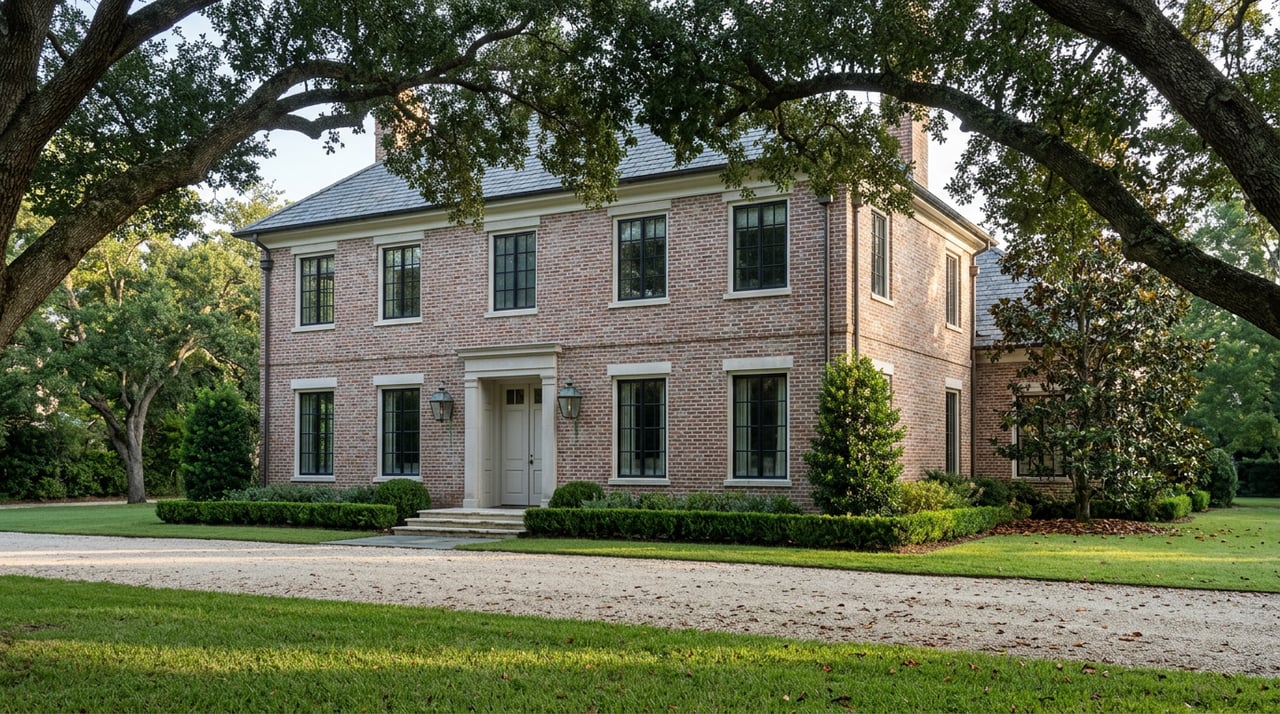
- The boulevard itself, between Westheimer and Buffalo Bayou, holds many of the neighborhood's largest original homes designed by architect John Staub, and sits at the very top of the price ladder.
- Side streets in River Oaks Section Two, west of Willowick, run $2 million to $6 million for renovated historic homes, still inside the neighborhood's deed restrictions but at a materially different price point than the estate core.
This is also why the HAR figures showing 31 homes listed in the River Oaks subdivision this year, averaging $4.77 million and 4,946 square feet, sit so far above the "closed sales" medians from other trackers. Averages built from active asking prices skew toward whatever happens to be listed that month, and estate-street sellers do not list often. When one comes on the market, it pulls the average up regardless of what is quietly closing on a side street the same week.
If you are shopping by neighborhood name alone, you are shopping across a five to ten million dollar range without realizing it. Knowing which street you are looking at tells you more than any citywide median ever will.
Why the Canopy Still Stands
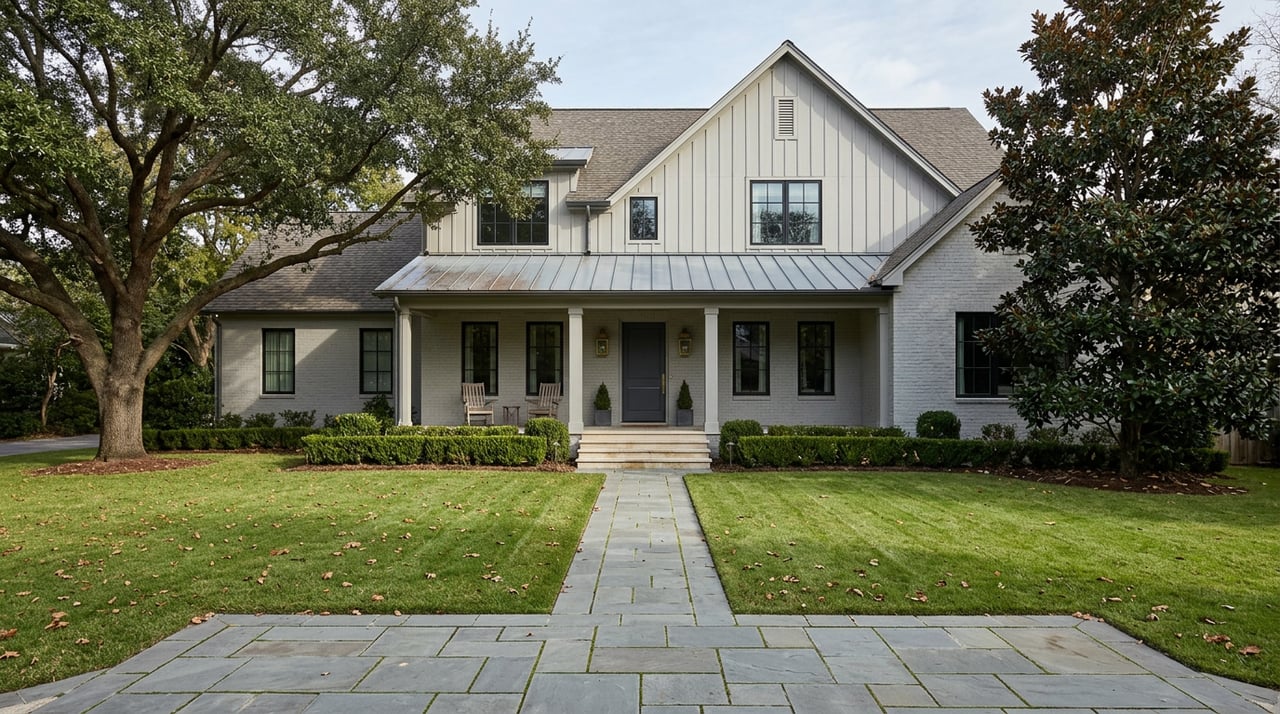
One reason River Oaks has held its shape through nearly a century of Houston's boom and bust cycles is that the rules governing it have barely changed. The deed restrictions written in the 1920s remain in force and are actively enforced today, covering setbacks, height, materials, and tree preservation. That last piece is a significant reason the mature oak canopy along the boulevard has survived a century of teardown and rebuild activity that has reshaped other Houston streets almost completely.
New construction and substantial renovations go through review by the River Oaks Property Owners association before permitting. Buyers used to looser rules elsewhere sometimes underestimate how much this shapes a project, from what a new build can look like to how close it can sit to the property line. It is worth understanding this framework before you fall in love with a lot and a set of plans, since the two do not always move together as easily as you might expect.
Membership at River Oaks Country Club, founded in 1923, runs on its own separate waiting list. Living inside the neighborhood does not include a membership, a detail that surprises some buyers who assume the two come as a package.
Budgeting Beyond the Purchase Price
Property taxes in River Oaks run roughly 2.3 to 2.4 percent of assessed value, in line with the rest of Houston ISD. On a $5 million home, that works out to roughly $115,000 to $120,000 a year, and filing a protest with the Harris County Appraisal District is a routine, expected part of owning here rather than an exception. Buyers comparing River Oaks to a lower-tax suburb often build a monthly budget around the purchase price and forget to build one around the appraisal.
Quick Answers
Why do different sites report such different median prices for River Oaks? Each tracks a different slice of inventory, whether that is closed sales versus active listings, or whether condos and townhomes at the neighborhood's edges get counted alongside the estate-street single-family homes. With well under 25 homes typically active at once, a handful of closings can swing the number substantially from one reporting window to the next.
Does a lower price per square foot mean a better deal? Not on its own. A lower price per square foot on a full lot near the estate streets can still represent strong land value, while a higher price per square foot on a small renovated lot may reflect a smaller, less flexible parcel. The lot size and street matter as much as the number.
What should I budget for beyond the purchase price? Plan for an effective property tax rate near 2.3 to 2.4 percent of assessed value, and expect that an annual appraisal protest with the Harris County Appraisal District is a normal part of ownership rather than an unusual step.
River Oaks rewards buyers who read past the headline number and ask what a specific street, lot, and set of restrictions actually support. If you are trying to figure out what a River Oaks address would really cost you, and what it would actually buy, Shannon Strickler can walk the specific streets with you and separate the number that matters from the one that just looks good on a portal. Let's Connect.